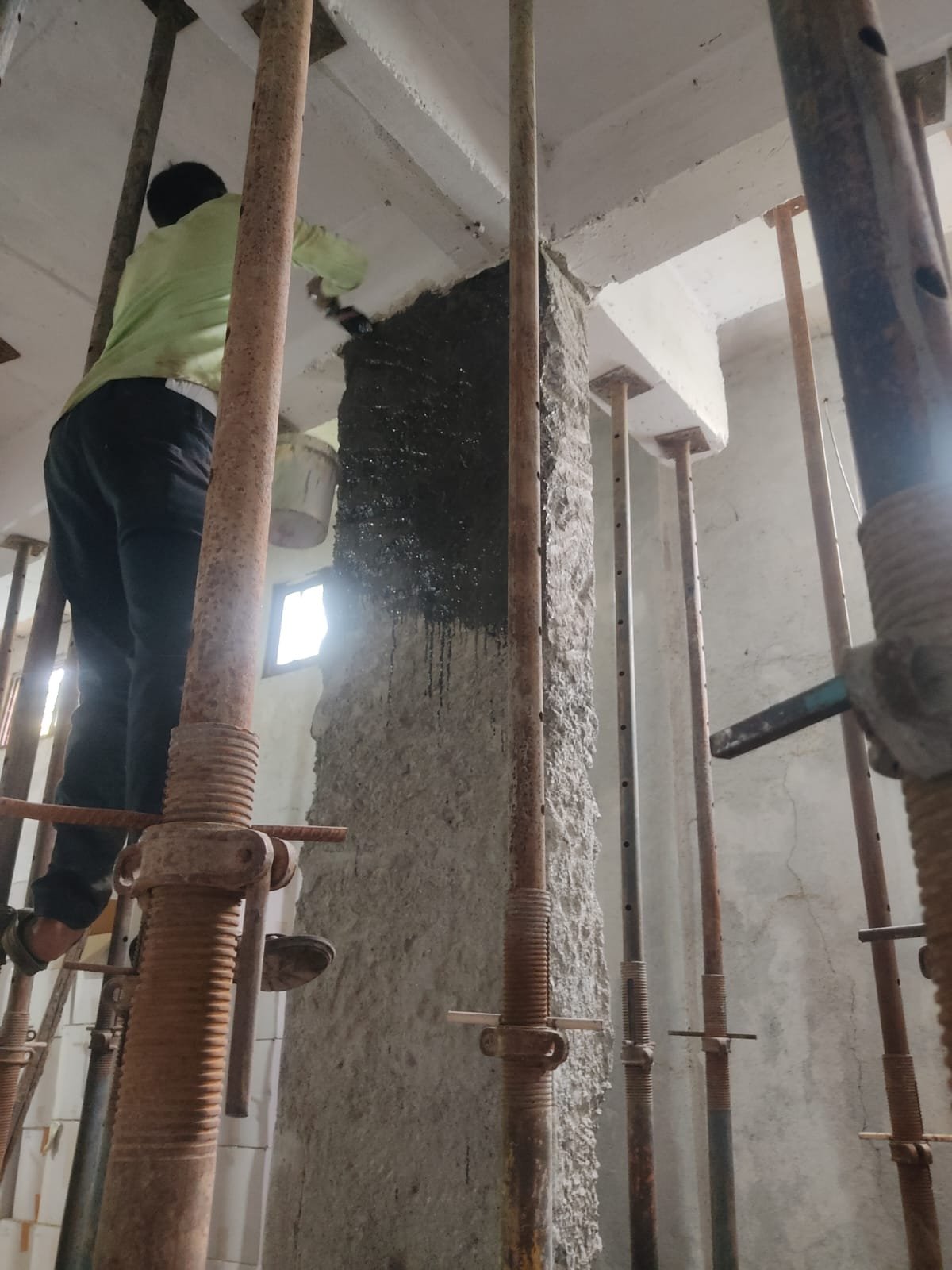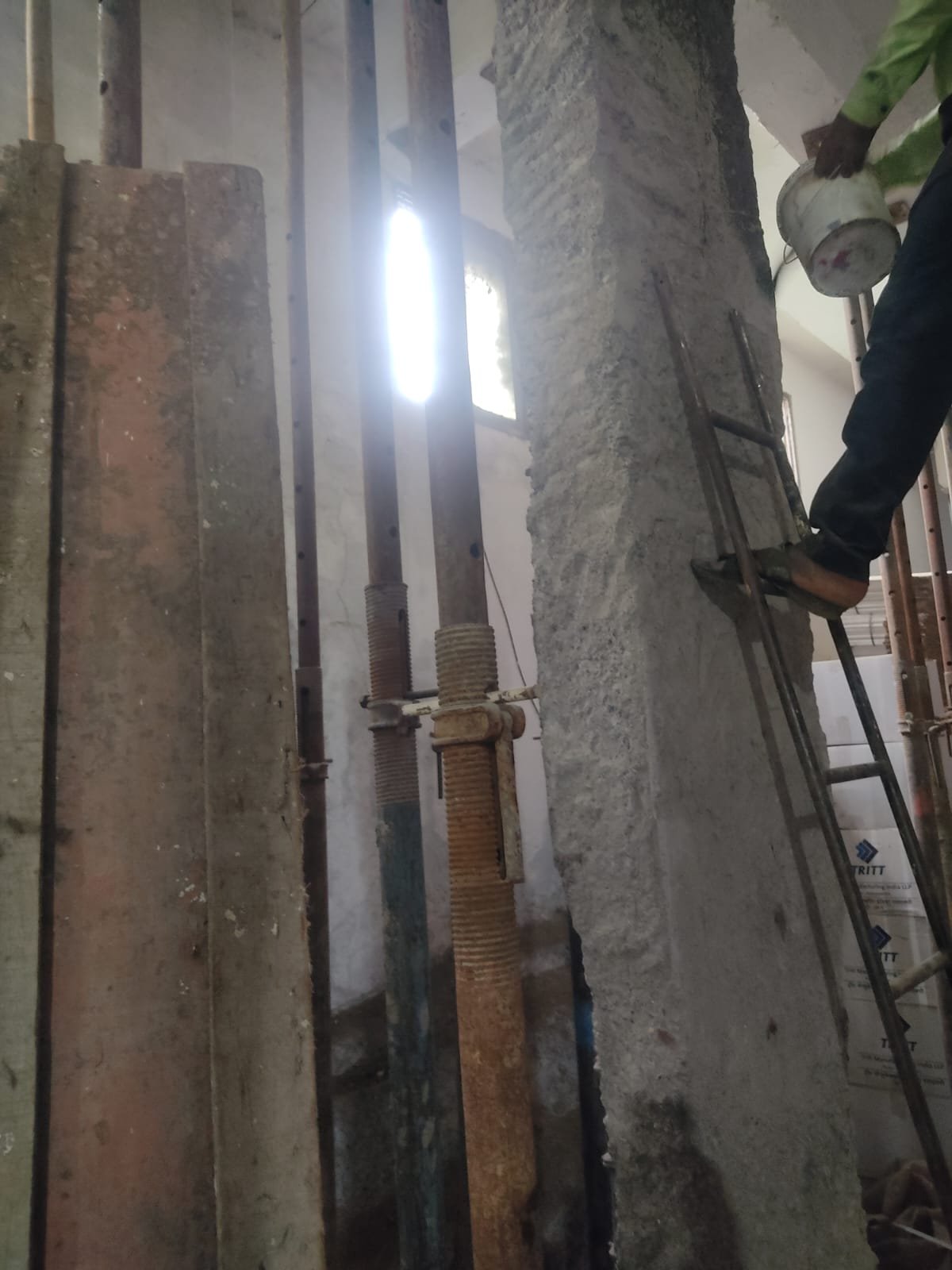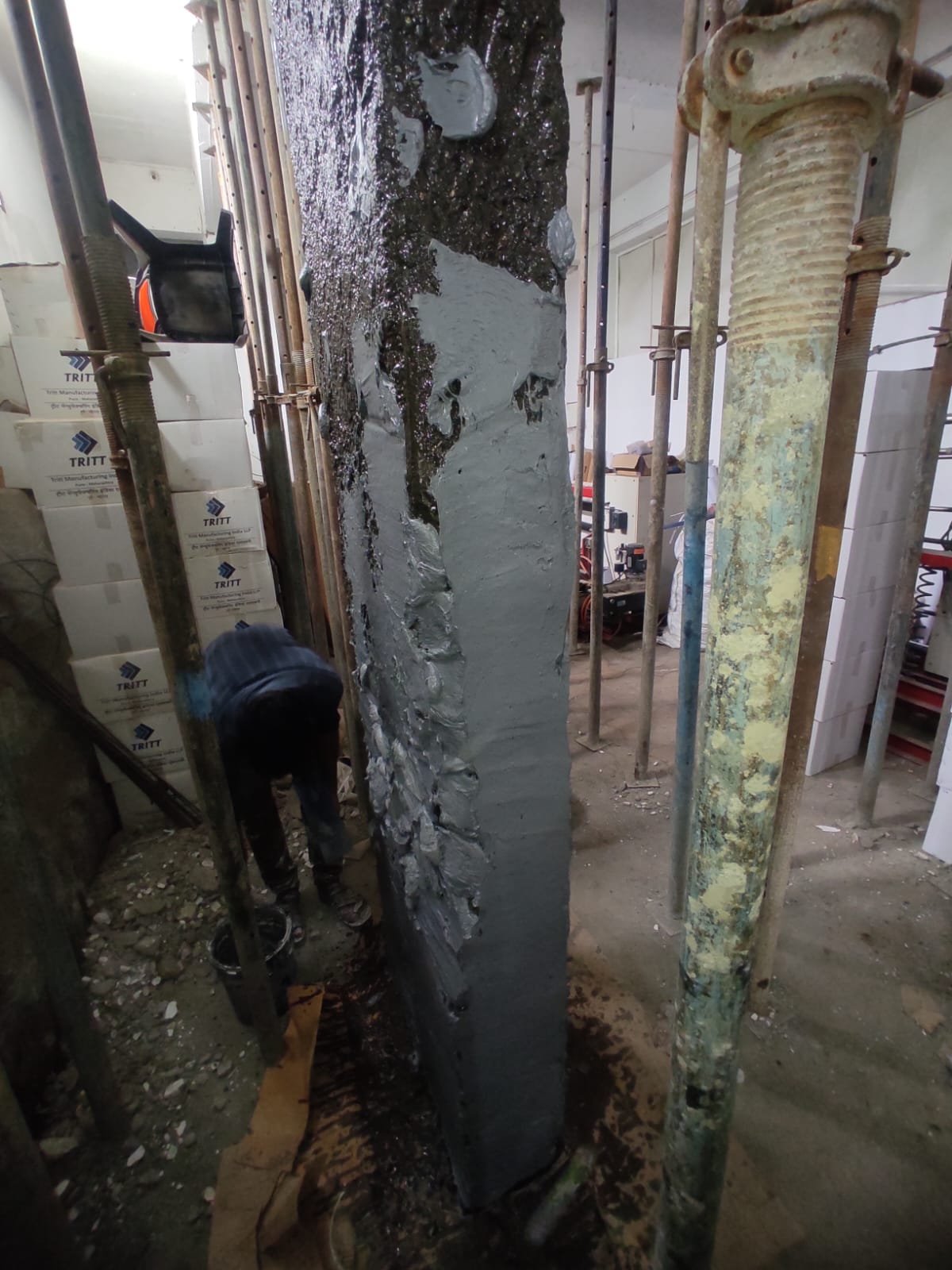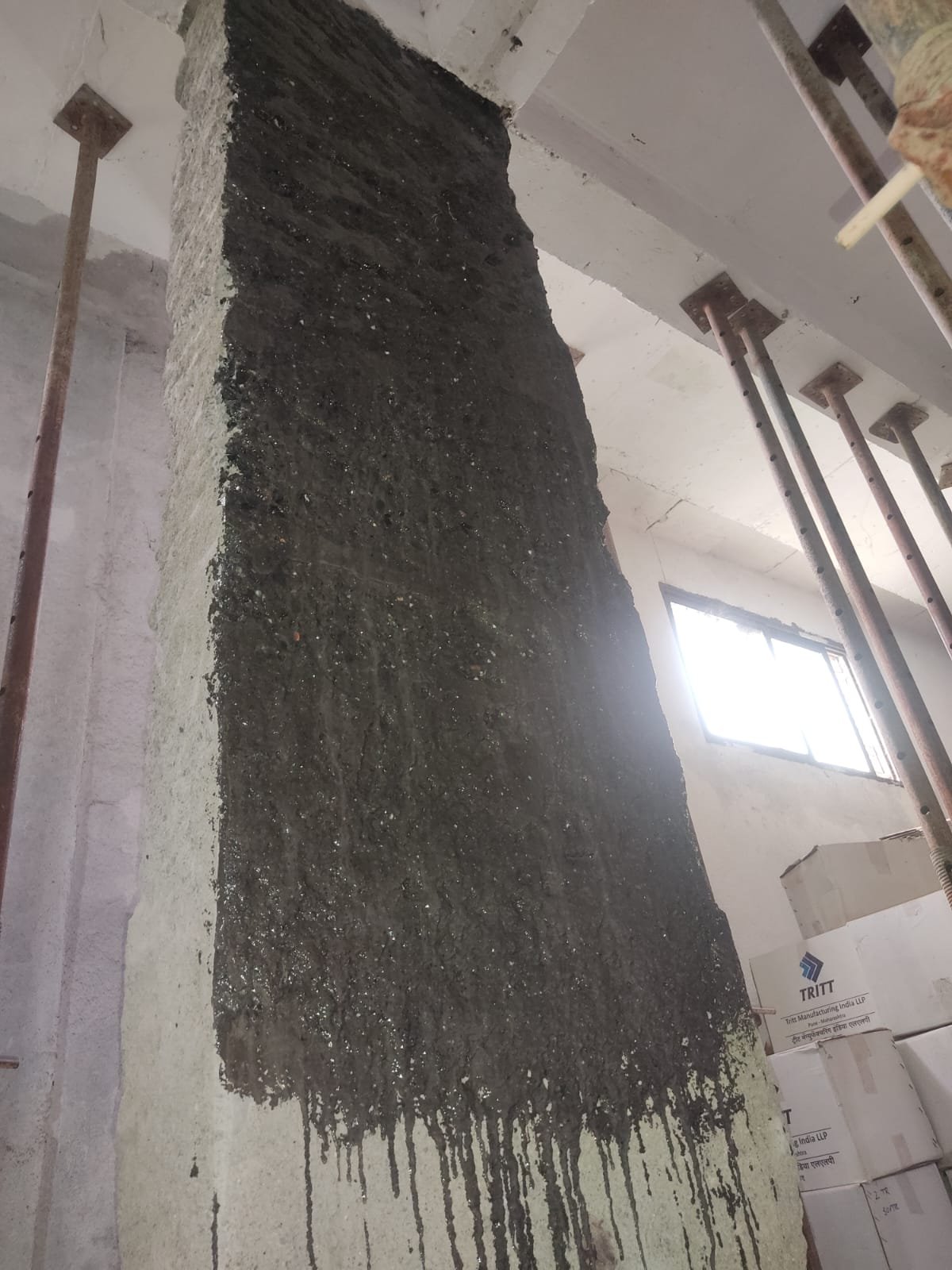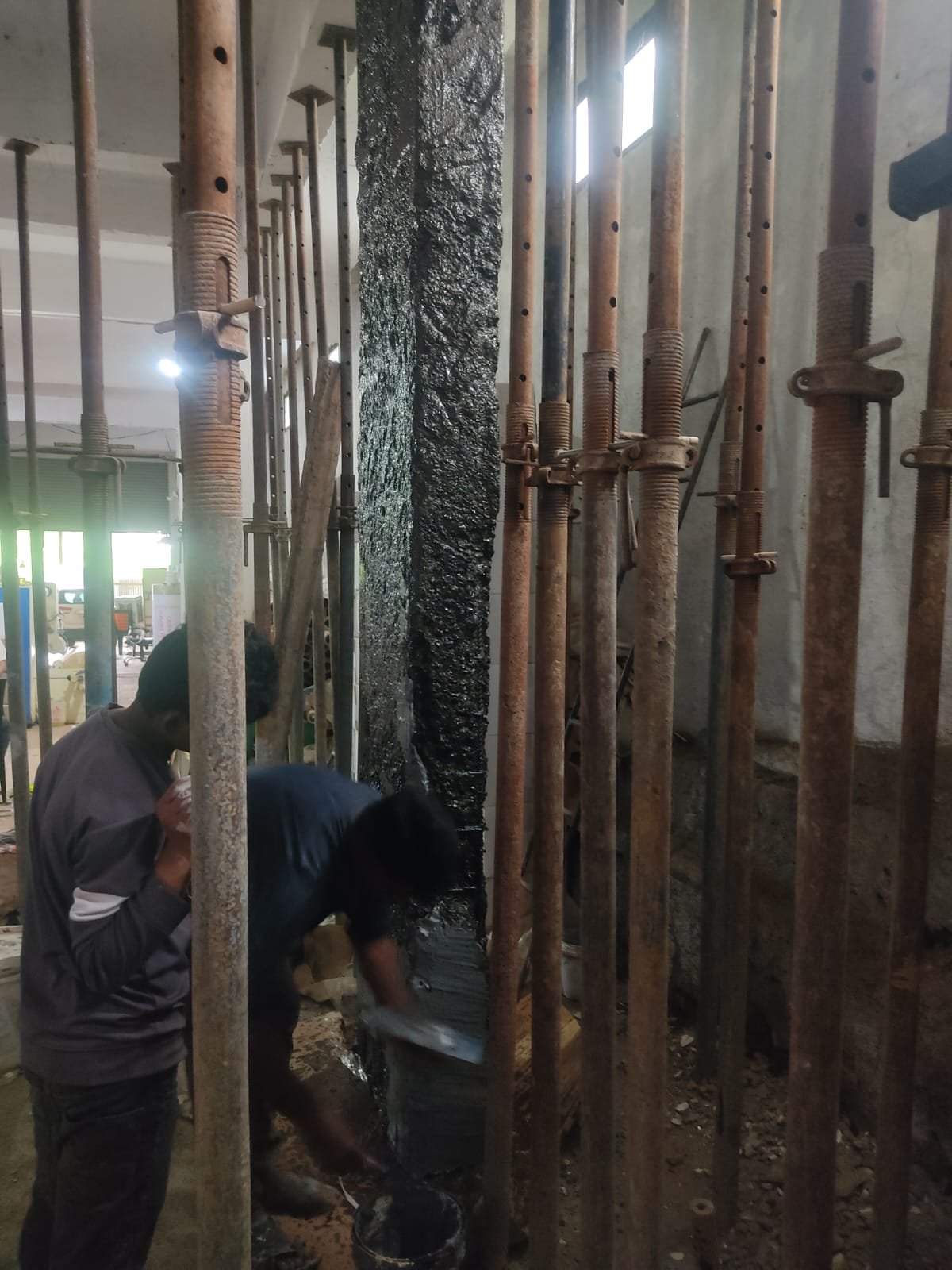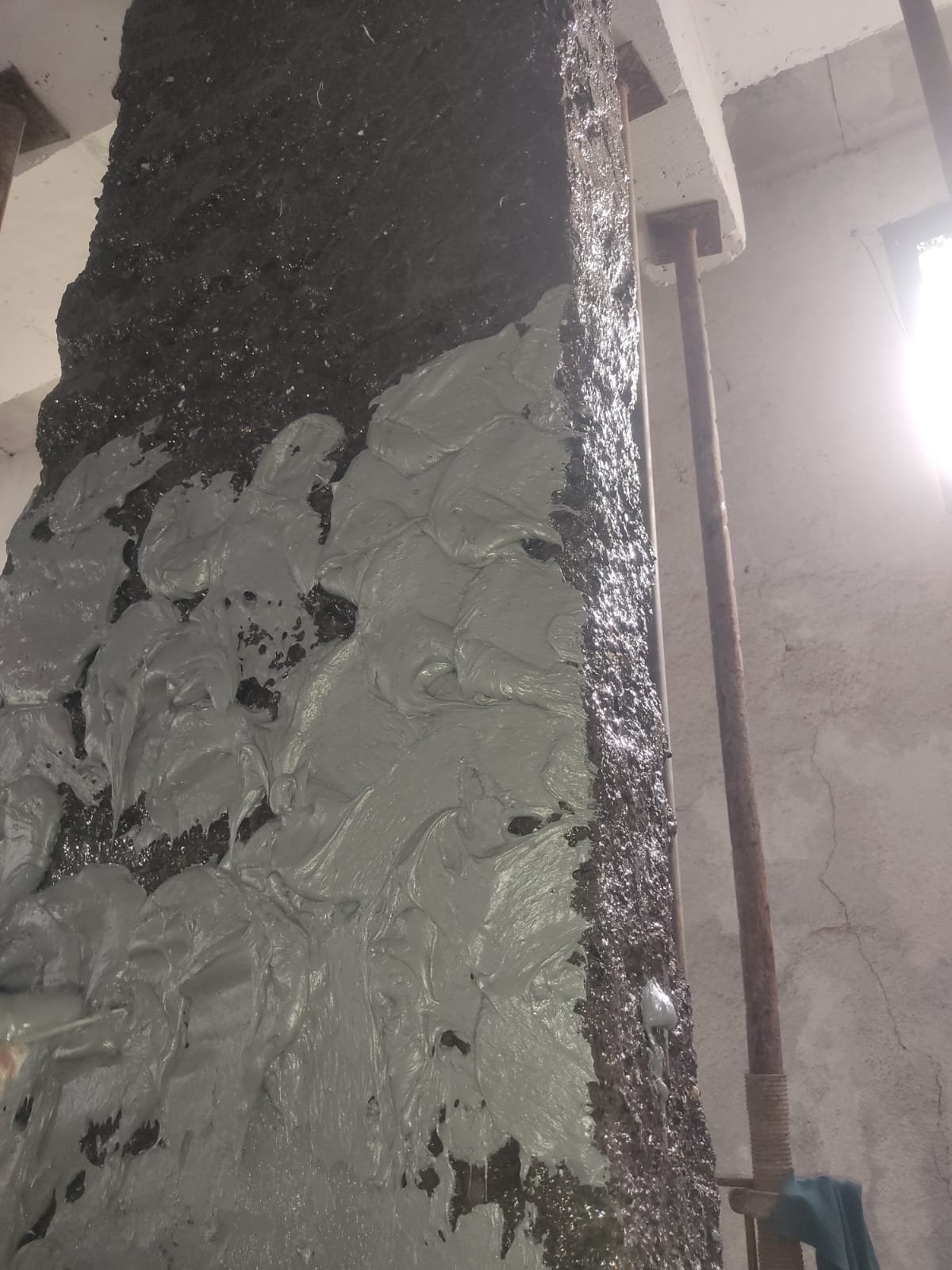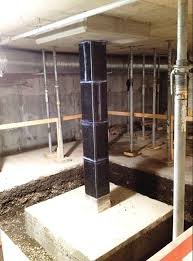
Compared to traditional reinforcement methods, carbon fiber wrapping technology offers superior strengthening with minimal interference to existing structural members. The effective use of carbon fiber reinforced concrete or polymers significantly enhances the lifespan of structures and reduces future maintenance needs.
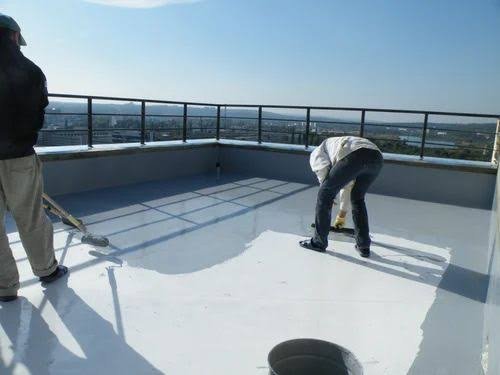
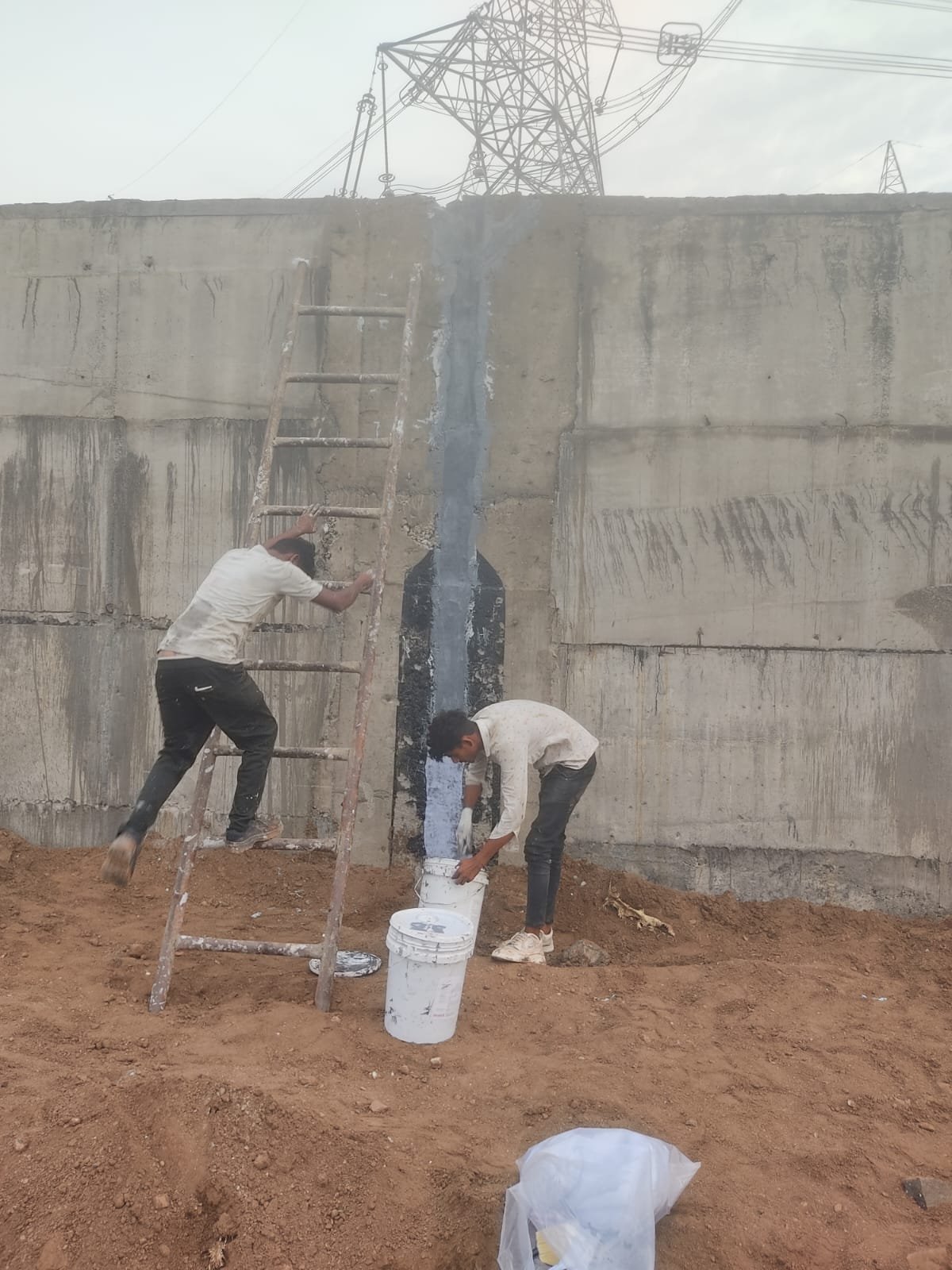
Waterproofing is the process of making a surface resistant to moisture, protecting structures from dampness and long-term water damage. One of the most effective methods, Polyurethane (PU) waterproofing, is widely used for roofs, walls, water tanks, tunnels, bridges, and concrete surfaces. This advanced waterproofing technique creates a seamless barrier that prevents water penetration and enhances the durability of the structure.
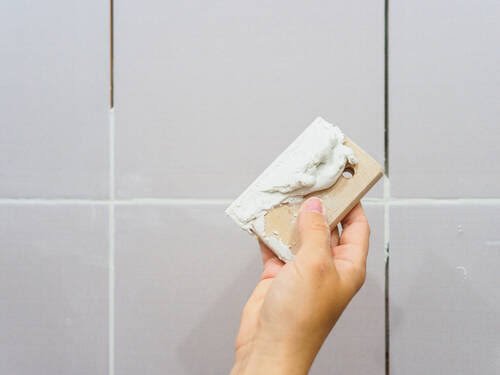
Epoxy Grout for Tile Joints | Ideal for Bathrooms, Kitchens & More Epoxy grout has become one of the most popular choices for tile joints thanks to its exceptional durability, resistance to mold and mildew, and ability to handle high-moisture areas. It’s widely used in bathrooms, kitchens, and commercial spaces where traditional grout often fails.
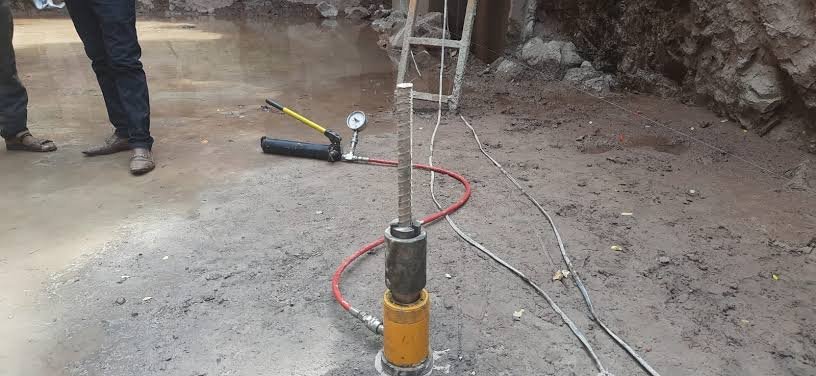
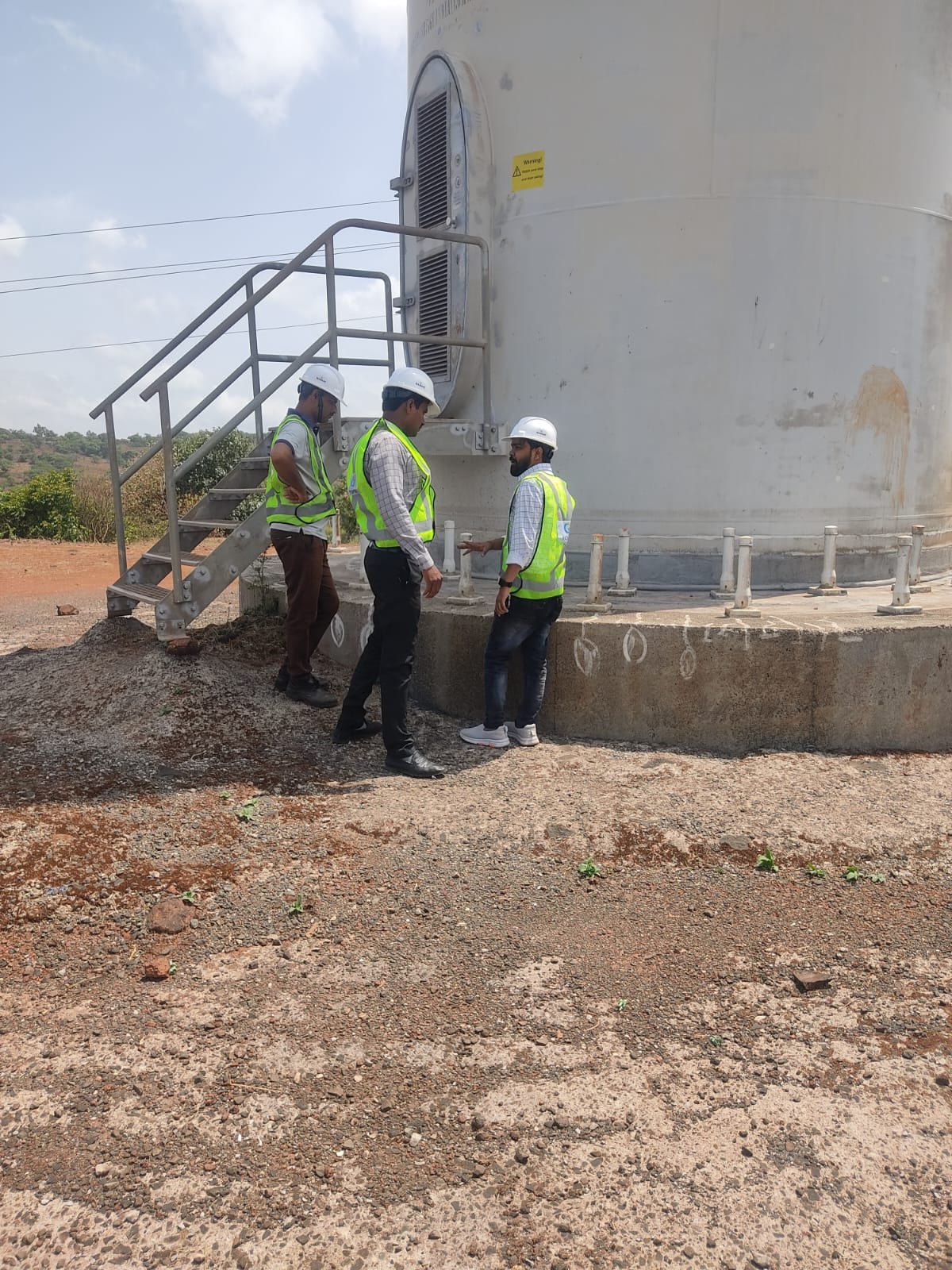
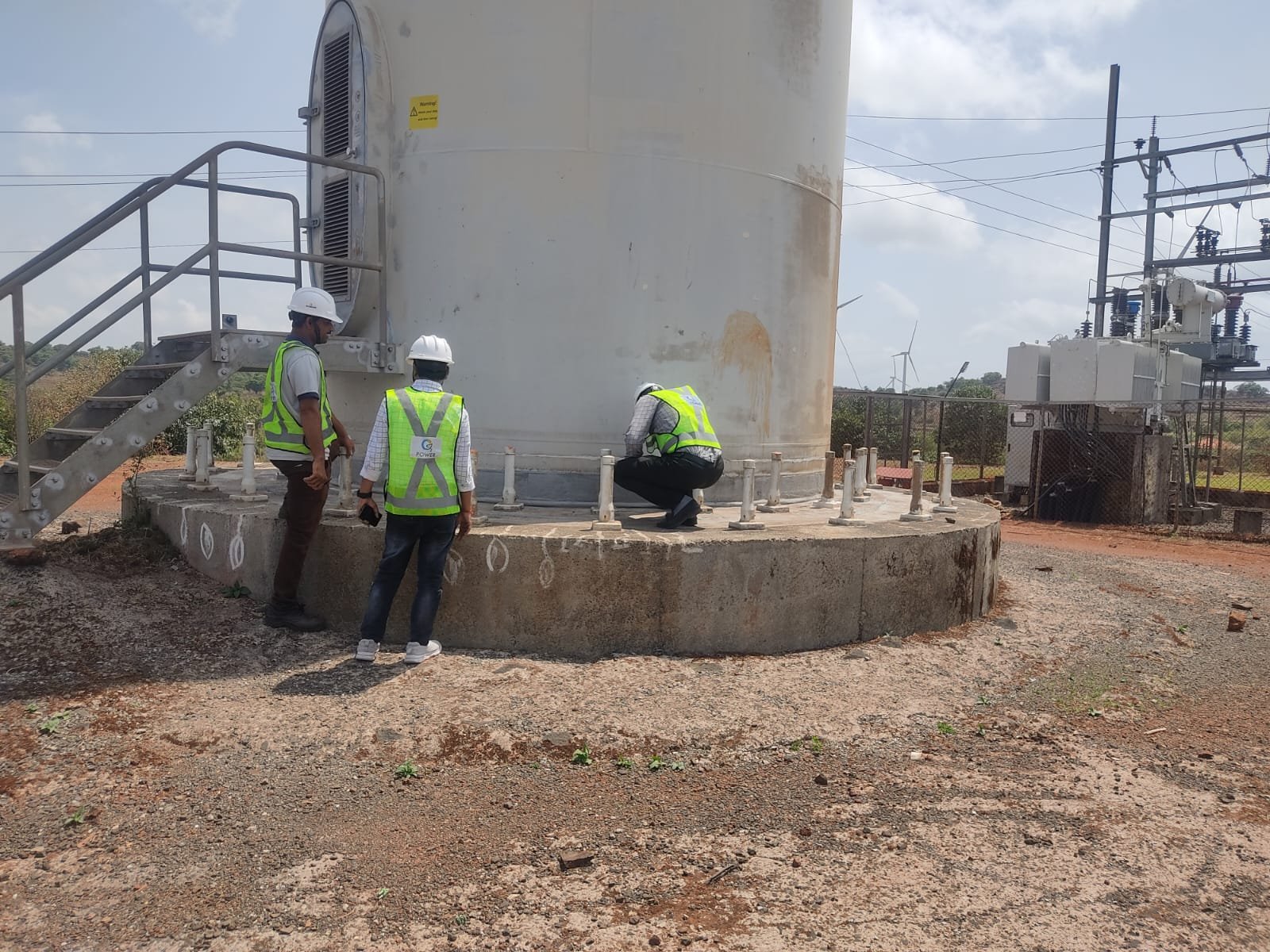
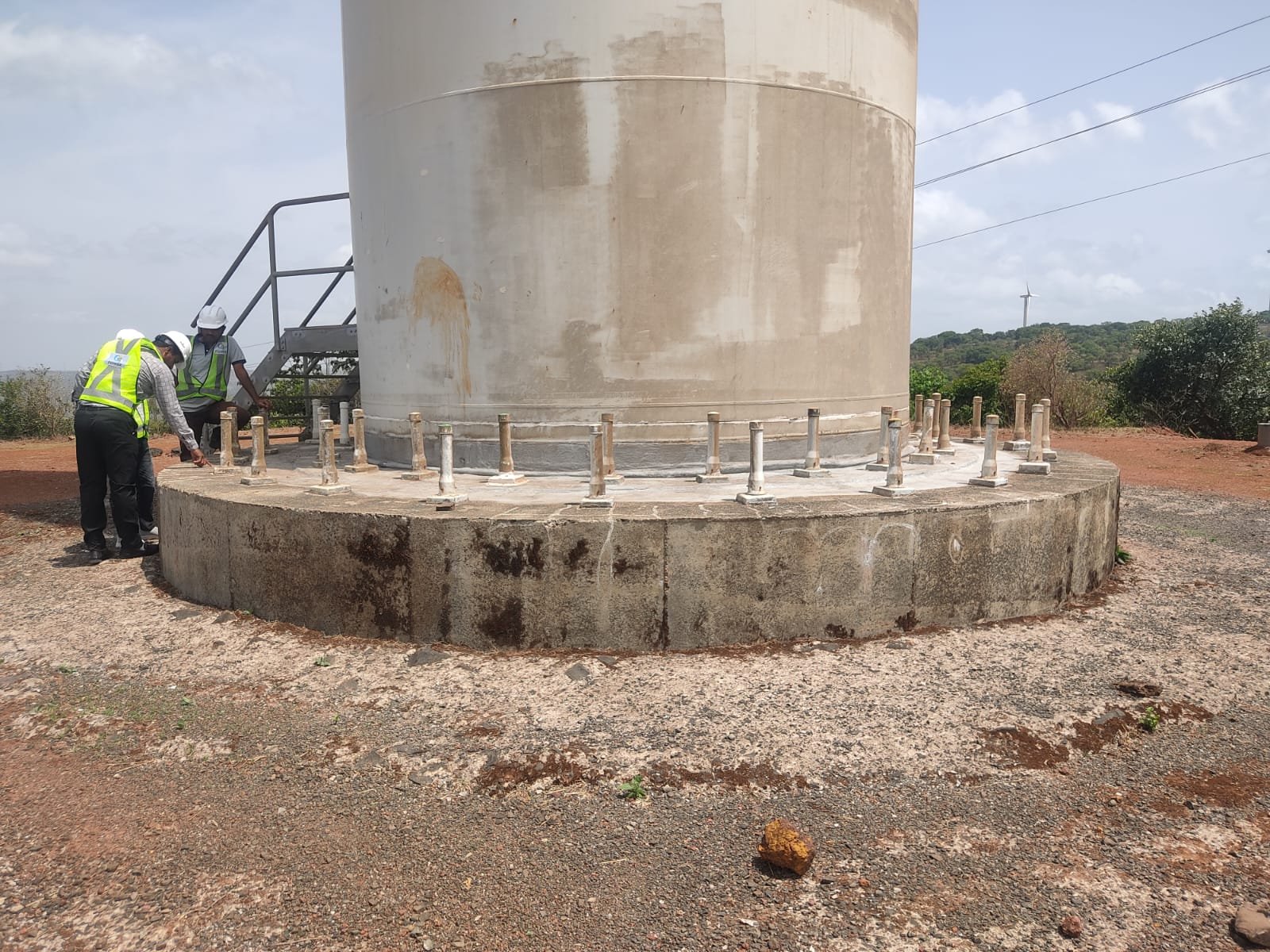
pull-out test using an Enerpac hydraulic hand pump and cylinder. Here's what you need to know about pull-out testing: Purpose: Pull-out tests are used to determine the strength of anchors, rebars, or other fasteners embedded in concrete or other base materials. This information is crucial for ensuring the structural integrity of buildings and other structures. Procedure:* The hydraulic pump is used to generate pressure, which is then transmitted to the cylinder. The cylinder, in turn, applies a pulling force to the anchor or rebar being tested. The force is gradually increased until failure occurs, and the maximum force sustained is recorded as the pull-out strength.
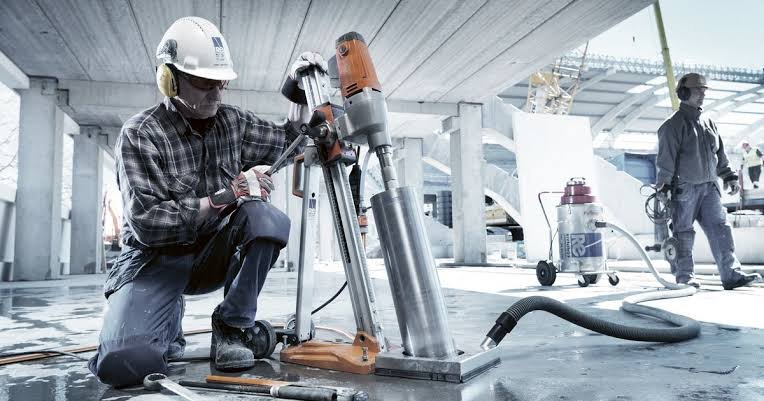
Core cutting in a building is usually done to make holes in concrete for utilities (e.g. plumbing, electrical wiring). Its main advantages are: Holes for utilities: Core cutting can create precise and neat holes in concrete, allowing for easy installation of plumbing, electrical wiring, or other utilities. Minimal disruption: Core cutting causes less disruption to the construction site, especially when working in public places such as schools, workplaces, or hospitals. Structural integrity: If done correctly, core cutting causes less damage to the structural integrity of concrete. Where is core cutting done? Plumbing and utilities installation: To make holes for plumbing and utilities (e.g. water, gas, electricity) in concrete walls and floors. AC installation: To make holes in the exterior wall to connect the indoor and outdoor units of a split air conditioner. Drilling and testing: